Betchworth & Buckland Nature Trail
5b North Downs woodland - upper path
Loved Locally
Join Us
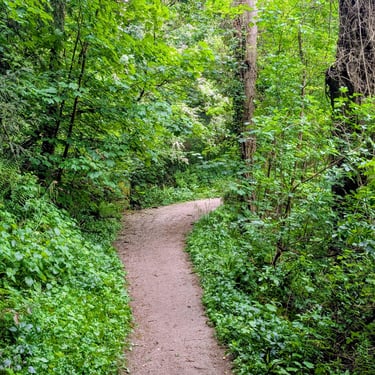
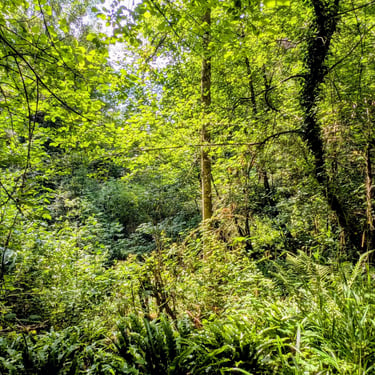
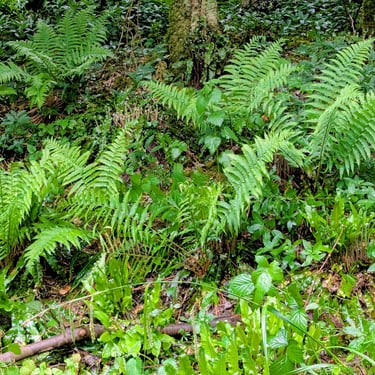
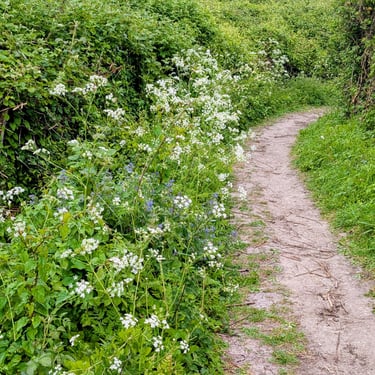
In this area the southern slope of the North Downs is thickly wooded and dissected by numerous paths running west to east along the line of the hills. These paths are likely to have been created in neolithic times but they were used extensively in medieval times by pilgrims travelling to visit the tomb of Thomas Becket in Canterbury.
The woodland is managed by Surrey Wildlife Trust and on entering the woodland there is a warning sign on a finger post explaining that many of the ash trees are suffering from ‘ash dieback’ disease. Looking up into the canopy you will see branches with no leaves in some of the taller trees. It is recommended not walk in the woodland in windy weather as branches may fall onto the paths.
At the finger post the path splits into a lower and upper paths designated 5a and 5b on the nature trail. The upper path rises steeply and when muddy it can be quite slippery. It traverses deciduous woodland mainly ash, hazel, field maple and sycamore with yew trees.
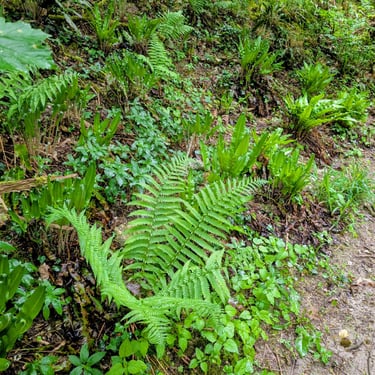
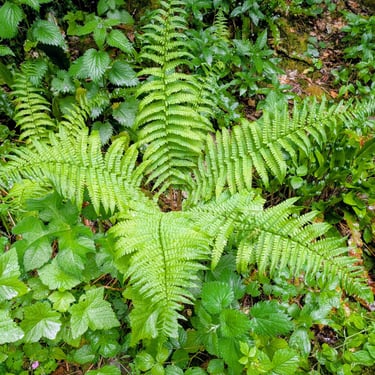
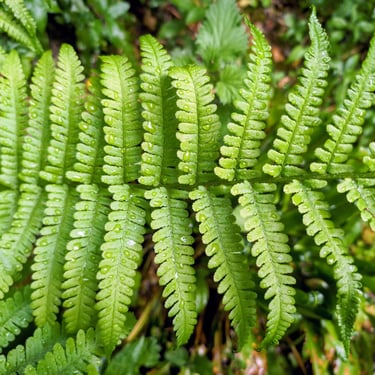
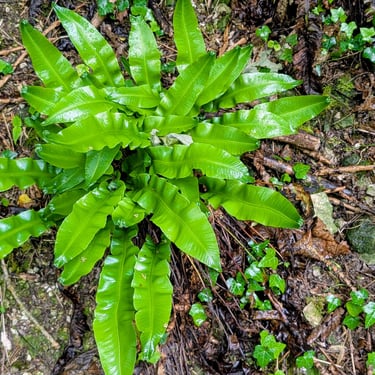
The path flattens and bends around a shallow valley known locally as dinosaur valley because in summer there are abundant ferns and liverwort plants hugging the sides of the valley.
When ferns and liverworts thrive together, they indicate a highly humid, sheltered, and stable woodland microclimate. Ecologically, this combination forms a foundational, multi-layered understory that retains soil moisture, accelerates nutrient cycling, reduces erosion, and supports foundational biodiversity.

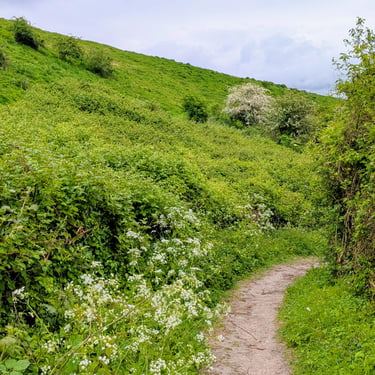
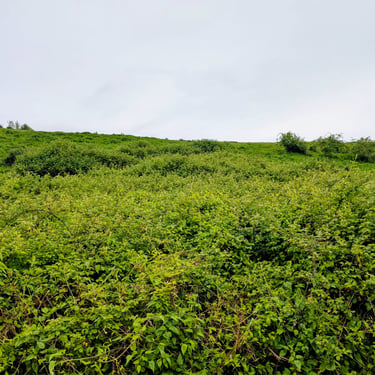
The pathway emerges from the woodland adjacent to Betchworth Quarry landfill site. Betchworth Quarry has shaped the landscape of the North Downs escarpment above the village since 1865 year when. Dorking Greystone Lime Company began quarrying and burning chalk to produce lime for agricultural and building use. Lime and cement production continued until around 1969, after which the exhausted pit was repurposed as a landfill site. In 1984, permission was granted for part of the quarry to be filled with spoil from the construction of Gatwick Airport's North Terminal, and four years later the owners received permission to accept commercial and industrial waste until the pit was filled and capped with soil in 2005. The soil cap had to be impermeable so a clay rich soil was used rather than a chalk rich cap which could have provided a substrate for a chalk grassland.
The footpath rises to a high point with a view before descending towards Betchworth lime kiln. To the north of the path there is a dense cover of bramble, dogrose and buddleia. This is a favourable habitat for warblers and a range of butterfly species.